
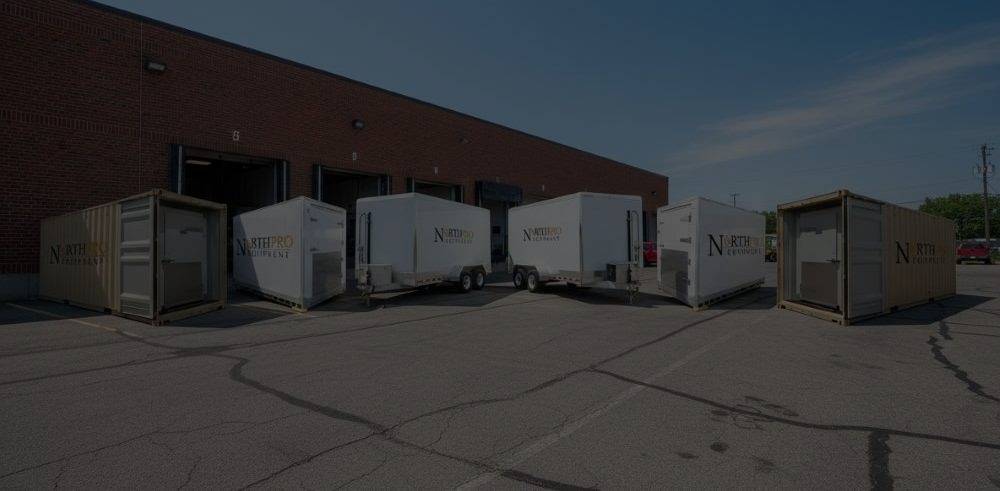
How to Choose the Right Refrigerated Trailer for Your Business
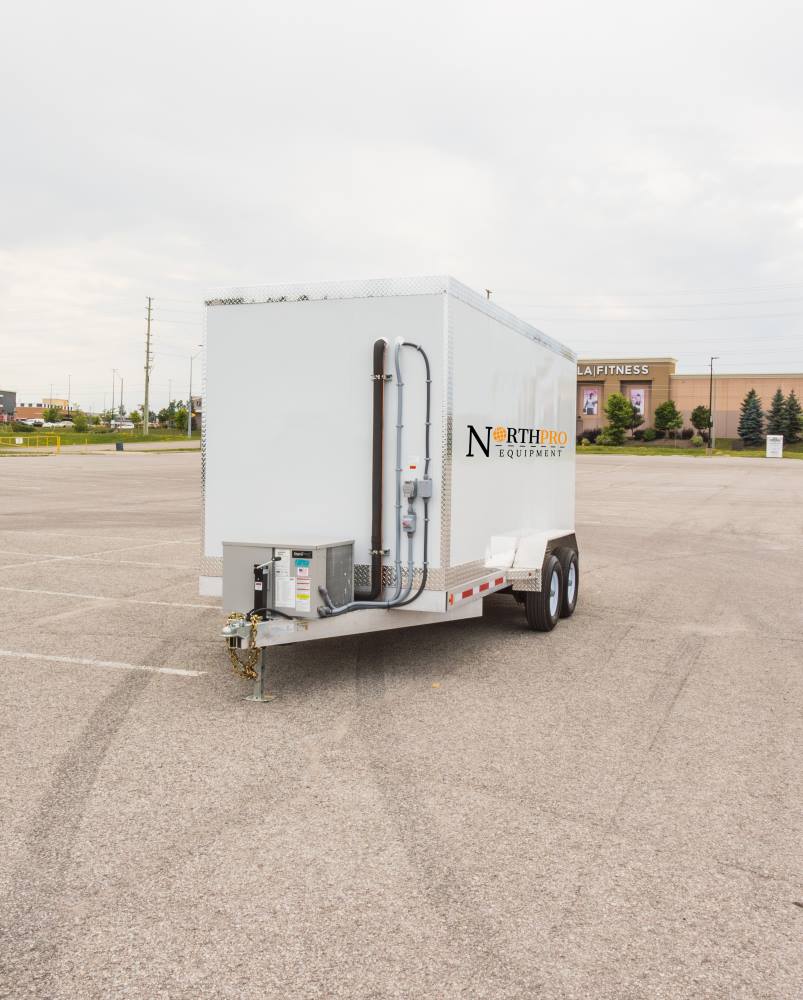
Choosing the wrong refrigerated trailer doesn’t just cost money — it can compromise your entire cold chain. Whether you’re storing food, pharmaceuticals, agricultural products, or industrial goods, selecting the right unit is one of the most important decisions your operation will make.
With so many sizes, configurations, and temperature specifications available, it’s easy to feel overwhelmed. This guide breaks down exactly what to look for — so you can match the right refrigerated trailer to your specific business needs without second-guessing your decision.
“The right refrigerated trailer isn’t the biggest one, or the cheapest one — it’s the one engineered precisely for your load, your environment, and your operational demands.”
Start With Your Temperature Requirements
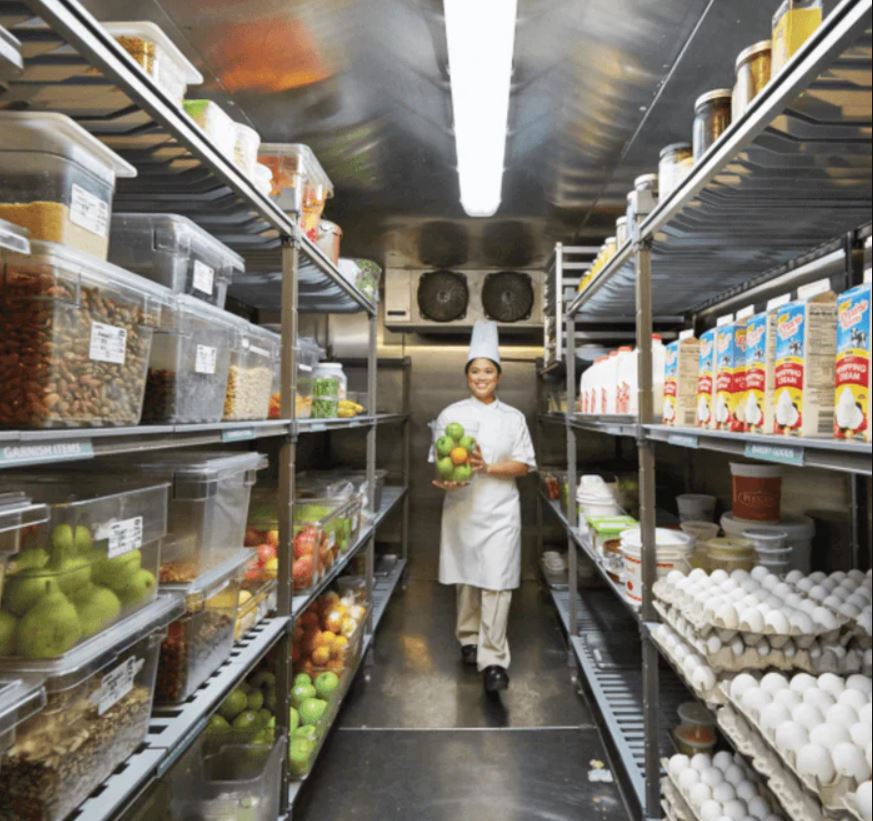
Before evaluating any unit, define the temperature range your products require. Refrigerated trailers are engineered to maintain specific thermal environments — operating outside those ranges risks product integrity and regulatory compliance.
| Application | Temperature Range | Unit Type |
|---|---|---|
| Fresh produce, dairy, deli | 34°F – 40°F (1°C – 4°C) | Cooler Trailer |
| Frozen foods, ice cream | -10°F – 0°F (-23°C – -18°C) | Freezer Trailer |
| Pharmaceuticals, vaccines | 35°F – 46°F (2°C – 8°C) | Cooler Trailer |
| Meat & seafood processing | 28°F – 34°F (-2°C – 1°C) | Cooler Trailer |
| Multi-product storage | Variable zones | Multi-Temp Unit |
If your operation handles multiple product types at different temperature requirements, a multi-temperature or dual-zone unit can eliminate the need for multiple trailers — reducing both cost and footprint.
Determine the Right Storage Capacity
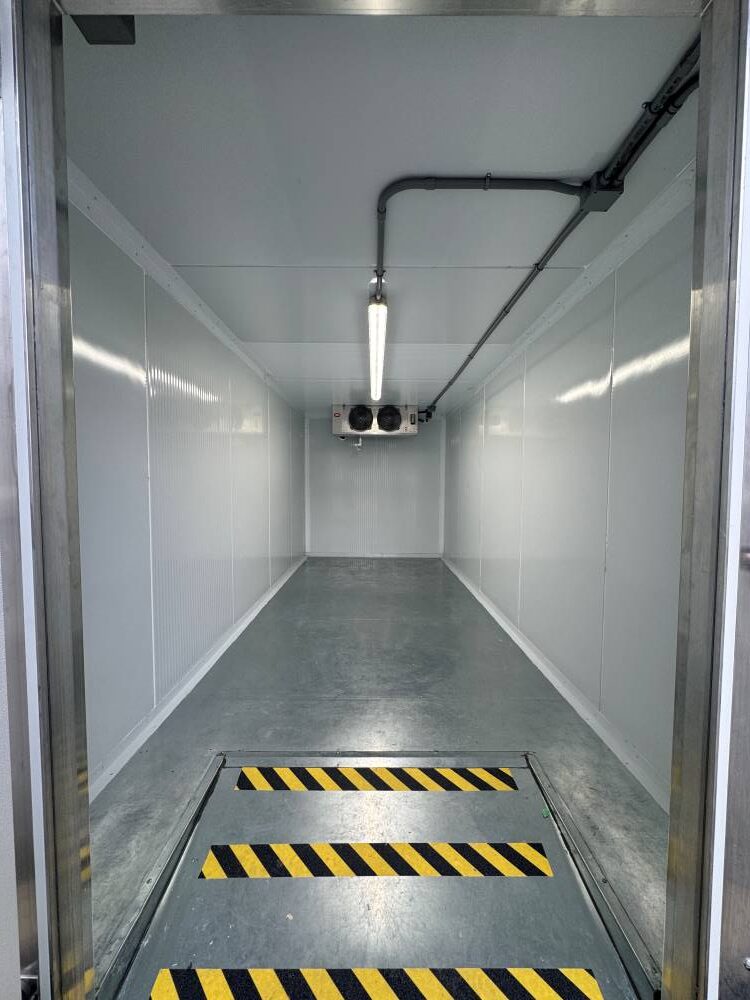
Oversizing wastes energy and capital. Undersizing means you’ll be turning away product or running additional units under load. The right capacity comes down to three factors: the volume of product you need to store at peak demand, how you load and retrieve product, and whether you need room for palletized or hand-stacked goods.
Calculate your peak storage volume
Base your sizing decision on maximum load — not average load. If you have seasonal surges, harvest periods, or event-driven demand, your trailer needs to handle the busiest period without strain.
Account for pallet configuration
Standard pallets measure 48″ × 40″. Confirm your trailer’s interior width and length accommodate your pallet count with adequate clearance for pallet jacks or forklifts to operate safely.
Factor in load and unload frequency
High door-open frequency increases thermal load on the refrigeration system. Units with heavy door traffic require higher-capacity refrigeration to maintain stable internal temperatures.
Plan for future growth
If your operation is scaling, sizing up one unit tier now often costs less than replacing equipment within 18 months. Consider a modular or expandable configuration if growth is anticipated.
Evaluate the Refrigeration System
The refrigeration unit is the heart of the trailer. Its performance determines temperature consistency, recovery speed after door openings, and long-term operating costs. Not all refrigeration systems are built for the same demands.
What to look for in a commercial refrigeration system
After each door opening, the unit must return to setpoint quickly. Slow recovery allows temperature drift that accumulates over a full operating day — especially critical in pharmaceutical and food processing environments.
Air circulation systems should deliver even temperatures throughout the entire storage area — not just near the evaporator. Ask about airflow design and hotspot prevention in any unit you’re evaluating.
If your trailer will operate in extreme Canadian winters or hot summer conditions, confirm the refrigeration system is rated for those ambient temperatures. Units rated for only moderate climates will underperform in demanding environments.
Confirm whether the unit operates on single-phase or three-phase power, and match it to your available electrical infrastructure. Incompatible power requirements add significant cost at installation.
Assess Build Quality and Structural Features
A refrigerated trailer operating in a commercial environment takes significant physical punishment — forklifts, pallet jacks, daily loading and unloading, and exposure to the elements. Build quality directly affects how long the unit performs reliably and what your true cost of ownership looks like over time.
- High-performance insulation panels — Insulation thickness and R-value determine how hard the refrigeration system has to work. Higher R-values reduce energy consumption and improve temperature stability during power interruptions.
- Durable flooring rated for heavy equipment — Flooring must withstand repeated pallet jack and forklift loads without deformation. Aluminium T-bar or reinforced composite flooring is standard in commercial-grade units.
- Sealed door systems with heavy-duty gaskets — Door seals are one of the most common sources of thermal loss. Industrial gaskets with magnetic closures maintain a tight seal under repeated use and temperature cycling.
- Corrosion-resistant exterior construction — Units exposed to road salt, moisture, and outdoor conditions require exteriors built to resist corrosion over a long service life.
- NSF certification where applicable — For food service and pharmaceutical applications, NSF-certified units confirm that interior materials and construction meet sanitary standards for direct food contact environments.
Rental vs. Purchase: Which Makes Sense for Your Operation?
Once you’ve identified the right unit specifications, the next decision is whether to rent or buy. Both have strategic merit depending on your operational profile.
Seasonal or temporary needs — rental is typically more cost-effective
Permanent storage requirements — purchasing delivers better ROI over time
Emergency standby units — rental keeps capital free for core operations
Rental also provides flexibility for businesses with fluctuating demand — agricultural operations during harvest, food processors during peak production, or distributors scaling up for the holiday season. Having a rental unit on standby costs far less than the losses from a cold chain failure.
Interested in renting? Connect with our dedicated rental division at Chill Out Rentals
Questions to Ask Before You Commit
Before finalizing any refrigerated trailer decision, run through these questions with your supplier. The answers reveal whether a unit is genuinely suited to your operation — or just close enough to cause problems down the road.
Is the unit rated for your climate zone?
Canada and northern US states present extreme ambient temperatures in winter. Confirm the refrigeration system is rated for operation in your specific climate — both summer highs and winter lows.
What are the delivery, setup, and support terms?
A quality supplier delivers turnkey — unit positioned, connected, and verified at setpoint before handing over. Confirm what post-delivery support is available if issues arise.
Can the unit be customized for your facility layout?
Door placement, interior shelving, and access configurations often need to match your specific loading dock or facility setup. Confirm whether custom builds are available and what lead times apply.
Does the unit meet your compliance requirements?
Food service, pharmaceutical, and agricultural operations are subject to specific temperature documentation and sanitation standards. Verify that the unit supports your compliance obligations before deployment.
“The best refrigerated trailer is the one engineered for your specific application — not a general-purpose unit pressed into service for a role it wasn’t built for.”
Making the Right Decision for Your Operation
Choosing a refrigerated trailer is a decision that affects your cold chain reliability, your operating costs, and your regulatory standing for years. Taking the time to match temperature requirements, capacity, build quality, and deployment terms to your actual operational needs is always worth the effort.
Businesses that invest in the right unit from the start spend less on workarounds, less on energy, and far less on product losses. The right trailer doesn’t just store your product — it protects your business.
Ready to Secure Your Cold Storage Infrastructure?
North Pro Equipment designs and manufactures refrigerated trailers, walk-in cold storage systems, and industrial refrigerated containers built for demanding commercial environments. If your operation requires dependable temperature-controlled storage, our team can help engineer a solution tailored to your needs.